



In recent times, the demand for efficient and automated disinfection solutions has soared, especially in the wake of global health concerns. Among the innovative products leading this charge is the Robot Uv Light Sanitizer. As a supplier of these cutting-edge devices, I am often asked about how these robots detect dirt and germs. In this blog post, I will delve into the fascinating science behind the detection capabilities of Robot Uv Light Sanitizers.
Understanding the Basics of UV Light Disinfection
Before we explore how the robot detects dirt and germs, it's essential to understand the principle of UV light disinfection. Ultraviolet (UV) light, specifically in the UVC range (200 - 280 nanometers), has germicidal properties. When microorganisms such as bacteria, viruses, and fungi are exposed to UVC light, the DNA and RNA within these organisms absorb the UV energy. This absorption causes damage to the genetic material, preventing the microorganisms from replicating and rendering them harmless.
Detection Mechanisms in Robot Uv Light Sanitizers
Visual Sensors
One of the primary ways a Robot Uv Light Sanitizer detects dirt and potential areas with germs is through visual sensors. These sensors are similar to the cameras we use in our daily lives but are designed to have high - resolution and sensitivity. The robot's visual sensors capture images of the environment it is operating in.
Advanced image - processing algorithms are then applied to these images. These algorithms can identify areas that appear dirty or have visible debris. For example, if there are food stains on a floor or smudges on a tabletop, the visual sensors can detect these irregularities. Once an area is identified as potentially dirty, the robot can focus its UV light on that specific spot for more targeted disinfection.
Chemical Sensors
In addition to visual sensors, chemical sensors play a crucial role in detecting germs. Microorganisms release certain chemical by - products as they grow and metabolize. Chemical sensors in the Robot Uv Light Sanitizer are designed to detect these volatile organic compounds (VOCs) and other biochemical markers associated with the presence of germs.
For instance, bacteria can produce ammonia and other nitrogen - containing compounds as they break down organic matter. The chemical sensors can detect these compounds at very low concentrations. When the sensors detect an elevated level of these chemical markers in a particular area, it indicates the possible presence of germs. The robot can then adjust its path and increase the exposure time of UV light in that area to ensure effective disinfection.
Infrared Sensors
Infrared (IR) sensors are another important component of the detection system. Living organisms, including germs, emit infrared radiation due to their metabolic activities. The IR sensors in the Robot Uv Light Sanitizer can detect this infrared radiation.
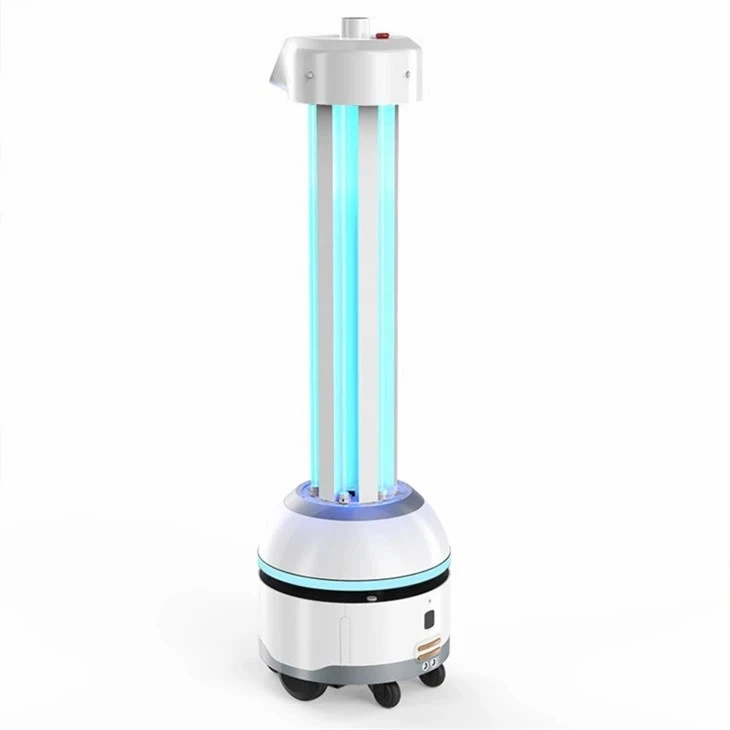

By analyzing the intensity and pattern of the infrared signals, the robot can identify areas where there is a higher concentration of living organisms. For example, in a hospital room, areas near patient beds or medical equipment may have a higher concentration of germs. The IR sensors can detect the heat signatures associated with these germs and guide the robot to those areas for disinfection.
Integration of Detection Systems
The detection capabilities of a Robot Uv Light Sanitizer are not based on a single sensor but rather on the integration of multiple detection systems. The data from visual, chemical, and infrared sensors are combined and analyzed in real - time by the robot's onboard computer.
This integration allows for a more comprehensive and accurate detection of dirt and germs. For example, a visual sensor may detect a visible stain, while the chemical sensor detects an elevated level of VOCs in the same area, and the IR sensor detects a heat signature associated with living organisms. By combining this information, the robot can be confident that there are germs present in that area and can take appropriate action.
Applications in Different Environments
Hospitals
In hospitals, the need for precise and thorough disinfection is of utmost importance. Uv Light Robot for Hospitals can use their detection capabilities to target areas that are frequently touched by patients and medical staff, such as doorknobs, bedrails, and medical equipment. The visual sensors can detect smudges on these surfaces, while the chemical and IR sensors can detect the presence of harmful bacteria and viruses. This targeted disinfection helps reduce the spread of healthcare - associated infections.
Offices
In office environments, Robot Uv Light Sanitizers can detect areas that are prone to germ accumulation. For example, keyboards, mice, and phone receivers are often handled by multiple people throughout the day. The robot can use its sensors to identify these high - touch areas and ensure they are properly disinfected. This helps maintain a healthy work environment and reduces the risk of employees getting sick.
Public Spaces
Public spaces such as airports, shopping malls, and restaurants also benefit from the detection capabilities of Robot Uv Light Sanitizers. These robots can detect dirt and germs on floors, seating areas, and handrails. By continuously monitoring and disinfecting these areas, they can help prevent the spread of infectious diseases in crowded public places.
The Role of Machine Learning
Machine learning algorithms are increasingly being incorporated into Robot Uv Light Sanitizers to improve their detection capabilities. These algorithms can learn from past data and experiences.
For example, if the robot repeatedly detects a high concentration of germs in a particular corner of a room, the machine - learning algorithm can predict that this area is likely to have germs in the future. The robot can then proactively target this area during its disinfection cycles. Additionally, machine learning can help the robot adapt to different environments and improve the accuracy of its detection over time.
Ensuring Safety and Effectiveness
While the detection capabilities of Robot Uv Light Sanitizers are impressive, it's important to ensure their safety and effectiveness. The UV light used in these robots can be harmful to human skin and eyes. Therefore, the robots are equipped with safety features such as motion sensors.
If a person enters the area where the robot is operating, the motion sensors detect the movement and immediately shut off the UV light to prevent any accidental exposure. Additionally, regular maintenance and calibration of the detection sensors are necessary to ensure accurate and reliable performance.
Conclusion
The detection of dirt and germs by a Robot Uv Light Sanitizer is a complex process that involves multiple sensors and advanced algorithms. Visual, chemical, and infrared sensors work together to provide a comprehensive view of the environment and identify areas that need disinfection. The integration of these sensors, along with machine - learning capabilities, allows for more targeted and effective disinfection.
If you are interested in learning more about our Robot Uv Light Sanitizer or our Lightstrike Germ Zapping Robots, and are considering a purchase for your specific environment, we invite you to reach out to us for a detailed discussion. Our team of experts can provide you with all the information you need and assist you in making the right decision for your disinfection needs.
References
- "Ultraviolet Germicidal Irradiation Handbook: UVGI for Air and Surface Disinfection" by Mark A. Rosenfeld.
- "Principles and Applications of Chemical Sensors" by Nicholas E. Jackson.
- Research papers on the use of machine learning in robotics for environmental monitoring and disinfection.


