



Hey there! As a supplier of Commercial Robot Vacuums, I often get asked about the average lifespan of these nifty little cleaning machines. So, I thought I'd sit down and write this blog to share everything I know on the topic.
First off, let's understand what a commercial robot vacuum is. These aren't your regular home - use robot vacuums. They're designed to handle large - scale cleaning tasks in commercial spaces like offices, malls, supermarkets, and warehouses. They're built tougher, with more advanced features and better durability to keep up with the high - volume cleaning demands.
When it comes to the average lifespan of a commercial robot vacuum, it can vary quite a bit. On average, a well - maintained commercial robot vacuum can last anywhere from 3 to 7 years. But why such a wide range? Well, there are several factors at play.
Quality of Components
The quality of the components used in the robot vacuum is a major determinant of its lifespan. High - end commercial robot vacuums, like our Commercial Robot Vacuum, are built with top - notch materials. The motors, sensors, and brushes are made to withstand heavy use. Cheaper models might cut corners on these components, which can lead to breakdowns and a shorter lifespan. For instance, a low - quality motor might overheat more quickly, causing it to burn out sooner.
Frequency of Use
How often the robot vacuum is used also has a big impact. In a busy supermarket, the robot vacuum might be running for 8 - 10 hours a day, every day of the week. In contrast, an office building might only use it for a couple of hours a day, a few times a week. Naturally, the more it's used, the more wear and tear it will experience. A robot vacuum that's used intensively will likely need replacement parts sooner and might reach the end of its useful life in 3 - 4 years. On the other hand, one with lighter use could last up to 7 years or even more.
Maintenance and Care
Proper maintenance is key to extending the lifespan of a commercial robot vacuum. Regular cleaning of the brushes, filters, and sensors is essential. If the brushes get clogged with hair and debris, it can put extra strain on the motor. Dirty filters can reduce the suction power and make the robot work harder. Also, it's important to check the wheels and tracks for any signs of damage. If a wheel is misaligned or damaged, it can cause the robot to move unevenly and put stress on other parts.
Our team always recommends following the manufacturer's maintenance schedule. This might include things like replacing the filters every few months, lubricating moving parts, and having a professional service the robot once a year. By taking good care of the robot vacuum, you can significantly increase its lifespan.
Technological Advancements
The rapid pace of technological advancements in the field of robotics also plays a role. Even if a commercial robot vacuum is still in working condition after 5 years, it might become obsolete. Newer models might offer better cleaning performance, more advanced navigation systems, or improved energy efficiency. For example, our Multi - scenario Scanning and Payment Robot comes with state - of the - art scanning technology that allows it to clean more efficiently in different scenarios. If your current robot vacuum can't keep up with the new features and performance standards, you might decide to replace it even if it's still functional.
Environmental Factors
The environment in which the robot vacuum operates can affect its lifespan. In a dusty warehouse, the robot will be exposed to a lot more dirt and debris than in a clean office. This can cause the filters to clog more quickly and the sensors to malfunction. In a wet environment, like a restaurant kitchen, there's a risk of water damage to the electrical components. So, the type of environment and the level of contaminants it has to deal with can either shorten or lengthen the robot's lifespan.
Now, let's talk about some signs that your commercial robot vacuum might be reaching the end of its lifespan. If you notice a significant decrease in suction power, even after cleaning the filters and brushes, it could be a sign that the motor is starting to fail. Unusual noises, like grinding or rattling, can also indicate problems with the moving parts. If the robot is having trouble navigating, getting stuck frequently, or not following its programmed cleaning path, it might be due to a malfunctioning sensor or navigation system.
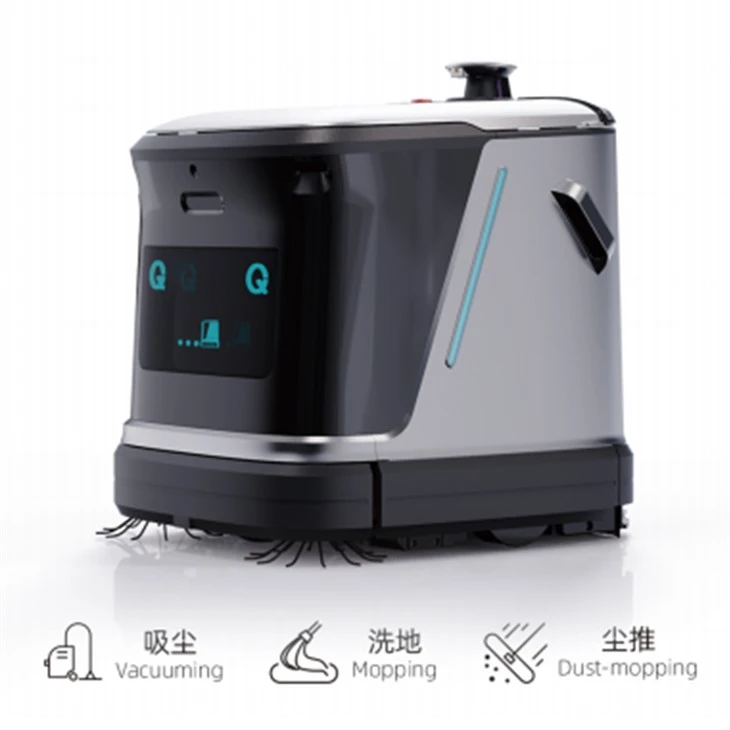
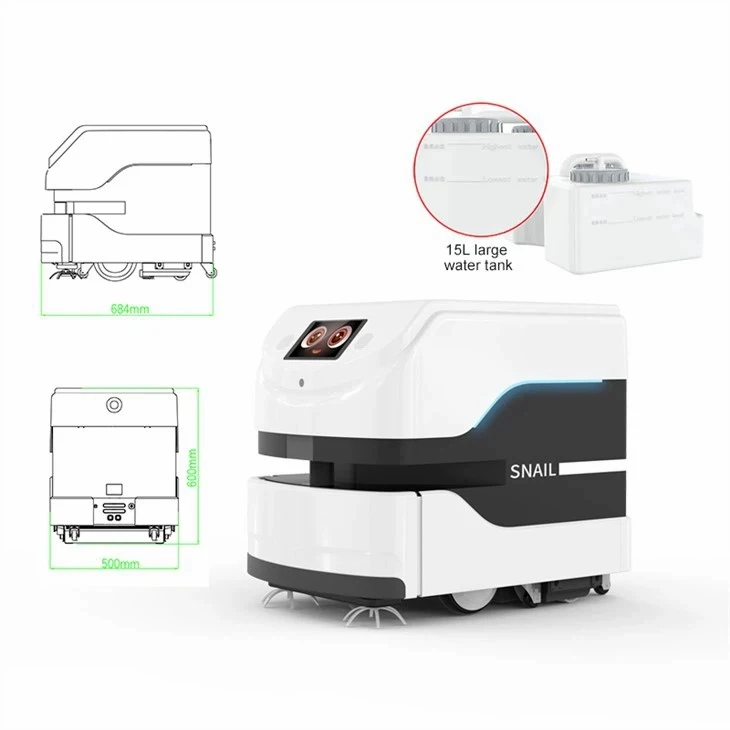
As a supplier, we offer a range of commercial robot vacuums to suit different needs and budgets. Our Intelligent Cleaning Mop Robot is a great option for those who need both vacuuming and mopping capabilities. We also provide after - sales support, including maintenance services and replacement parts.
If you're in the market for a new commercial robot vacuum or need advice on maintaining your existing one, don't hesitate to get in touch. We're here to help you make the best choice for your business and ensure that your cleaning equipment lasts as long as possible. Whether you're a small business owner or managing a large commercial space, we can find the right solution for you.
In conclusion, while the average lifespan of a commercial robot vacuum is between 3 and 7 years, there are many factors that can influence this. By choosing a high - quality product, using it appropriately, maintaining it well, and considering technological advancements, you can get the most out of your investment. If you have any questions or want to discuss your specific requirements, feel free to reach out. We'd love to have a chat and help you find the perfect commercial robot vacuum for your needs.
References
- Industry reports on commercial cleaning equipment durability
- Manufacturer's guidelines for commercial robot vacuum maintenance


