



Can medical delivery robots be used for transporting oxygen cylinders? That's a question I've been getting a lot lately as a supplier of medical delivery robots. And let me tell you, it's a topic that's got a lot of potential and a few things to consider.
First off, I want to give you a bit of background on our robots. We've got two main models that are making waves in the medical field. There's the Postman Intelligent Delivery Robot, which is super smart and can navigate around hospitals like a pro. Then there's the Hospital Nurse Delivery Robot, designed to work hand - in - hand with the nursing staff.
Now, let's talk about oxygen cylinders. Oxygen is life - saving stuff, especially in a hospital setting. Transporting these cylinders safely and efficiently is crucial. And that's where our medical delivery robots come in.
One of the big advantages of using our robots for oxygen cylinder transport is safety. These robots are equipped with state - of - the - art sensors. They can detect obstacles in their path, whether it's a person walking by or a piece of equipment left in the hallway. This means they can avoid collisions that could potentially damage the oxygen cylinders. For example, the Postman Intelligent Delivery Robot has a 360 - degree vision system that allows it to see everything around it. It can stop on a dime if it senses something in its way, preventing any accidents that could lead to leaks or other hazards.
Another plus is efficiency. In a busy hospital, time is of the essence. Nurses and other medical staff are often swamped with tasks, and transporting oxygen cylinders can take up a significant amount of their time. Our robots can be programmed to follow set routes and schedules. They can make multiple trips throughout the day, delivering oxygen cylinders to different departments without getting tired or distracted. The Hospital Nurse Delivery Robot, for instance, can be integrated with the hospital's existing management system. It can receive real - time instructions on where to deliver the cylinders, ensuring that they reach the right place at the right time.
But it's not all smooth sailing. There are some challenges to using medical delivery robots for oxygen cylinder transport. One of the main concerns is the weight of the cylinders. Oxygen cylinders can be quite heavy, and our robots need to be able to handle that weight without compromising their mobility or safety. We've done a lot of research and development to make sure our robots are up to the task. Our engineers have designed the robots with strong and durable frames, as well as powerful motors that can handle the extra load.
Another challenge is the regulatory environment. The transportation of oxygen cylinders is subject to strict regulations. We need to make sure that our robots comply with all these rules. This includes things like proper storage and handling of the cylinders during transport. We work closely with regulatory bodies to ensure that our robots meet all the necessary standards. For example, our robots are designed with secure compartments to hold the oxygen cylinders, preventing them from moving around during transport and reducing the risk of damage.
Let's also talk about the cost - effectiveness. At first glance, buying a medical delivery robot might seem like a big investment. But when you consider the long - term benefits, it makes a lot of sense. By using robots to transport oxygen cylinders, hospitals can free up their staff to focus on more critical patient - care tasks. This can lead to better patient outcomes and potentially save the hospital money in the long run. Plus, our robots are built to last. They require minimal maintenance, and their energy - efficient design means lower operating costs over time.
In addition to safety, efficiency, and cost - effectiveness, our robots also offer some other benefits. They can collect data during their operations. For example, they can record the time it takes to deliver oxygen cylinders to different departments, which can help hospitals optimize their supply chain. This data can also be used to identify any bottlenecks in the delivery process and make improvements.
Now, I know you might be thinking, "This all sounds great, but how do I know if these robots are right for my hospital?" Well, we offer a free trial period. You can test out our robots in your hospital environment and see how they perform. Our team will be on hand to provide support and training to your staff. We want to make sure that you're completely satisfied with the robots before you make a commitment.
If you're interested in learning more about our medical delivery robots and how they can be used for transporting oxygen cylinders, don't hesitate to reach out. We're here to answer all your questions and have a detailed discussion about your specific needs. Whether you're a small clinic or a large hospital, we have a solution that can work for you.
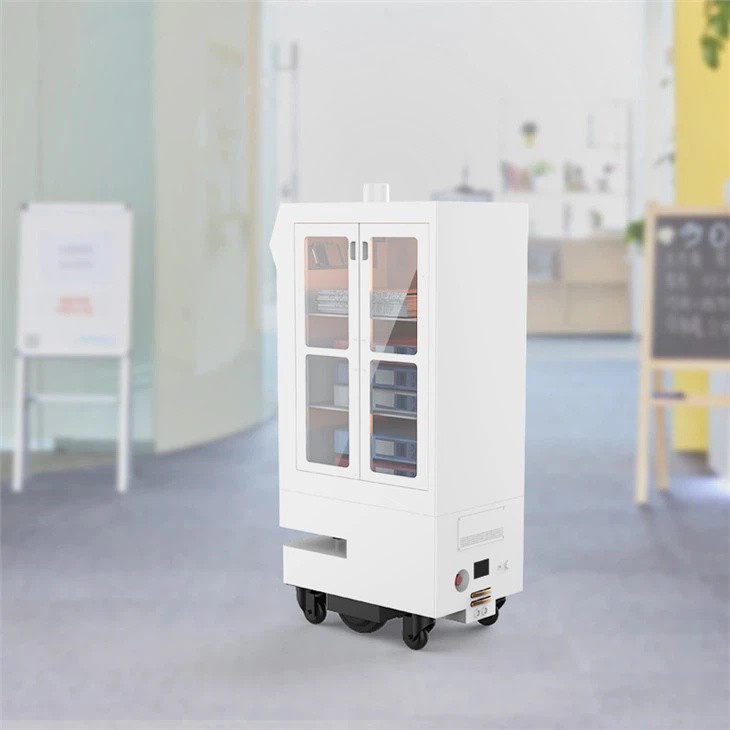

In conclusion, medical delivery robots can definitely be used for transporting oxygen cylinders. They offer a safe, efficient, and cost - effective solution to a critical problem in the healthcare industry. With our advanced technology and commitment to quality, we're confident that our robots can make a real difference in your hospital. So, if you're looking to improve your oxygen cylinder delivery process, give us a call and let's start the conversation.
References
- Research on the application of intelligent robots in hospital logistics.
- Regulations on the transportation of oxygen cylinders in healthcare facilities.


