



As a supplier of Entertainment Reception Robots, I've often pondered the diverse applications of our innovative products. One such application that has caught my attention is the potential use of these robots in botanical gardens. In this blog post, I'll explore the feasibility, benefits, and challenges of integrating Entertainment Reception Robots into the serene and educational environment of botanical gardens.
The Feasibility of Using Entertainment Reception Robots in Botanical Gardens
Botanical gardens are unique spaces that combine the beauty of nature with educational and recreational elements. They attract a wide range of visitors, from families with children to students and researchers. The use of Entertainment Reception Robots in these settings could enhance the overall visitor experience in several ways.
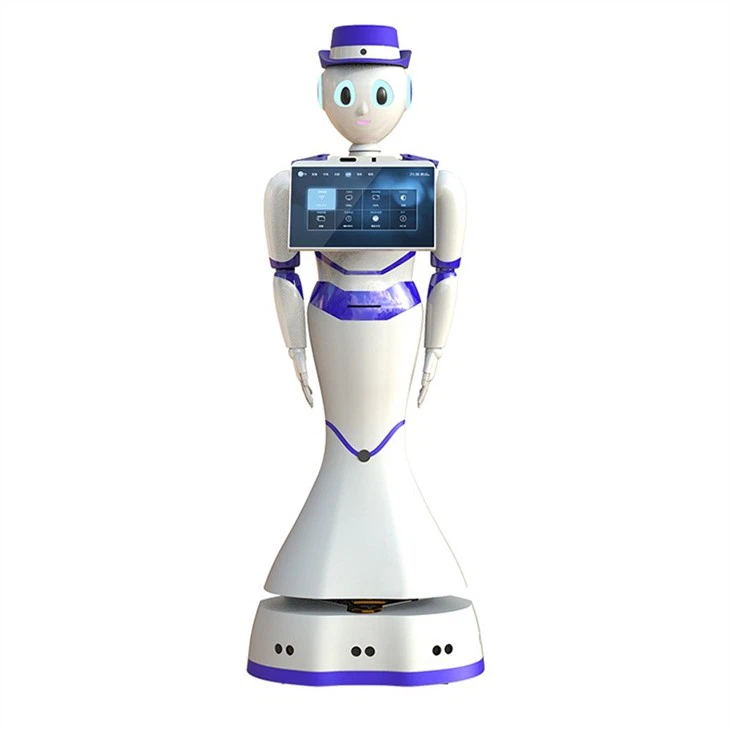
First, these robots can serve as interactive guides. Equipped with advanced AI technology, they can provide detailed information about the various plant species in the garden, including their scientific names, origins, and unique characteristics. For example, a Mobile AI transparent screen robot can display high - resolution images and videos of plants, making the learning process more engaging and accessible.
Second, Entertainment Reception Robots can offer entertainment features. They can perform simple shows, tell stories related to plants or nature, and even engage in games with visitors. This can be particularly appealing to children, encouraging them to develop an interest in botany from a young age.
Third, these robots can assist with crowd management. In large botanical gardens, it can be challenging to keep track of visitors and ensure their safety. Robots can be programmed to monitor the flow of people, guide them to less crowded areas, and provide emergency information if needed.
Benefits of Using Entertainment Reception Robots in Botanical Gardens
1. Enhanced Visitor Experience
The primary benefit of using Entertainment Reception Robots in botanical gardens is the enhanced visitor experience. By providing interactive and engaging content, these robots can make the visit more memorable and educational. For instance, an Exhibition hall service humanoid robot can greet visitors at the entrance, offer a personalized welcome message, and then accompany them on a tour of the garden. This personalized touch can make visitors feel more welcome and valued.
2. Increased Educational Value
Botanical gardens are important educational institutions. Entertainment Reception Robots can play a crucial role in enhancing the educational value of these gardens. They can provide in - depth information about plants, their ecological roles, and the importance of conservation. This can help visitors develop a better understanding of the natural world and the need to protect it.
3. Cost - Efficiency
In the long run, using Entertainment Reception Robots can be cost - efficient for botanical gardens. Once the initial investment is made, the operating costs of these robots are relatively low compared to hiring human staff. They can work long hours without getting tired and can be easily reprogrammed to adapt to different educational programs or visitor needs.
4. Data Collection
Robots can collect valuable data about visitor behavior, preferences, and interests. This data can be used by botanical gardens to improve their services, develop new educational programs, and enhance the overall layout of the garden. For example, by analyzing the areas where visitors spend the most time interacting with the robots, the garden management can identify popular plant species and focus on promoting them further.
Challenges of Using Entertainment Reception Robots in Botanical Gardens
1. Environmental Adaptability
Botanical gardens are outdoor environments with varying weather conditions, including rain, heat, and humidity. Entertainment Reception Robots need to be designed to withstand these environmental factors. They should be waterproof, dust - resistant, and able to operate in different temperature ranges. Ensuring the long - term durability of the robots in such conditions can be a significant challenge.
2. Technical Complexity
The operation of Entertainment Reception Robots requires a certain level of technical expertise. Botanical garden staff may need to undergo training to operate, maintain, and repair these robots. Additionally, the robots need to be integrated with the garden's existing IT systems, which can be a complex process.
3. Public Acceptance
Some visitors may be hesitant to interact with robots in a natural setting. They may prefer the traditional experience of exploring a botanical garden without the presence of technology. Therefore, it is essential to introduce the robots gradually and educate visitors about their benefits to increase public acceptance.
4. Safety Concerns
Robots need to be designed with safety in mind. In a botanical garden, there are many delicate plants and a large number of visitors, including children. The robots should be programmed to avoid collisions with people and plants and to operate in a safe manner at all times.

Strategies to Overcome Challenges
1. Environmental Adaptability
To address the issue of environmental adaptability, we can design robots with robust exteriors and advanced climate - control systems. For example, the AI transparent screen advertising robot can be built with materials that are resistant to water and UV rays. Additionally, regular maintenance and inspections can be carried out to ensure the robots are in good working condition.
2. Technical Complexity
We can provide comprehensive training programs for botanical garden staff. These programs can cover basic robot operation, maintenance, and troubleshooting. Moreover, we can offer remote technical support to assist the staff in case of any technical issues.
3. Public Acceptance
To increase public acceptance, we can start with a pilot program. In the pilot phase, a small number of robots can be introduced in a specific area of the garden. Visitors can be informed about the purpose and benefits of the robots through signage and brochures. Feedback from visitors can be collected and used to improve the robot's design and functionality.
4. Safety Concerns
Safety features such as collision sensors, speed control, and emergency stop buttons can be incorporated into the robots. Regular safety checks can be conducted to ensure that these features are working properly.
Conclusion
The use of Entertainment Reception Robots in botanical gardens has great potential. While there are challenges to overcome, the benefits in terms of enhanced visitor experience, increased educational value, cost - efficiency, and data collection are significant. As a supplier of these robots, I am confident that with the right strategies and technologies, we can successfully integrate these robots into botanical gardens.
If you are a botanical garden manager or an organization interested in exploring the use of Entertainment Reception Robots in your garden, I encourage you to contact us for a detailed discussion. We can provide customized solutions based on your specific needs and requirements. Let's work together to create a more engaging and educational experience for visitors to botanical gardens.
References
- "The Role of Technology in Botanical Gardens" - Journal of Botanical Education
- "Robotics in Public Spaces: Challenges and Opportunities" - International Journal of Robotics Research
- "Enhancing Visitor Experience in Cultural and Natural Heritage Sites with Robots" - Tourism Management Journal


