



In recent years, the concept of using robots for food delivery has gained significant traction in the restaurant industry. As a supplier of Restaurant Delivery Robots, I've witnessed firsthand the transformative potential these machines hold. However, a question that often arises is whether these robots are suitable for fine-dining restaurants. This blog post aims to explore this topic in depth, weighing the pros and cons to provide a comprehensive perspective.
The Rise of Restaurant Delivery Robots
The restaurant industry has always been at the forefront of innovation, constantly seeking ways to enhance customer experience and streamline operations. The advent of delivery robots represents a significant leap forward in this regard. These robots are designed to navigate through restaurant floors, deliver food to tables, and even interact with customers in a friendly and efficient manner.
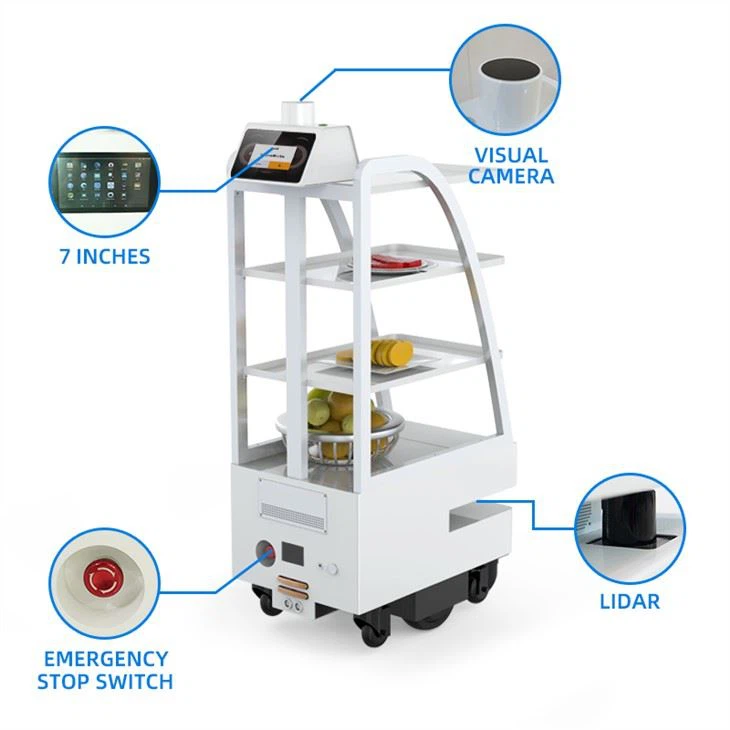

The Restaurant Delivery Robot is a prime example of such technology. It is equipped with advanced sensors and navigation systems that allow it to move smoothly through crowded spaces, avoiding obstacles and ensuring timely delivery. Additionally, these robots can be programmed to follow specific routes and deliver food to the correct tables, reducing the chances of human error.
Advantages of Using Delivery Robots in Fine-Dining Restaurants
- Enhanced Efficiency
One of the primary advantages of using delivery robots in fine-dining restaurants is the significant improvement in efficiency. These robots can operate 24/7 without getting tired, ensuring that food is delivered to tables promptly. This not only reduces waiting times for customers but also allows servers to focus on providing personalized service, such as taking orders, answering questions, and attending to customer needs. - Consistent Service
Fine-dining restaurants are known for their high standards of service. Delivery robots can help maintain these standards by providing consistent service every time. They are programmed to follow a set of predefined rules and procedures, ensuring that food is delivered in a professional and courteous manner. This consistency can help enhance the overall customer experience and build a positive reputation for the restaurant. - Hygiene and Safety
In today's world, hygiene and safety are of utmost importance, especially in the food service industry. Delivery robots can help address these concerns by minimizing human contact with food. They are designed to be easy to clean and sanitize, reducing the risk of contamination. Additionally, these robots can be equipped with sensors and cameras to monitor the environment and ensure that food is delivered in a safe and secure manner. - Unique Dining Experience
Using delivery robots in fine-dining restaurants can also provide a unique and memorable dining experience for customers. These robots are often equipped with advanced technology, such as touchscreens, voice recognition, and interactive features, which can engage customers and add an element of fun to the dining experience. This uniqueness can help differentiate the restaurant from its competitors and attract new customers.
Challenges and Considerations
- High Initial Investment
One of the main challenges of using delivery robots in fine-dining restaurants is the high initial investment required. These robots can be expensive to purchase and install, and they also require regular maintenance and updates. Additionally, restaurants may need to invest in training staff to operate and maintain the robots, which can add to the overall cost. - Lack of Personal Touch
Fine-dining restaurants are known for their personalized service and attention to detail. While delivery robots can provide efficient and consistent service, they may lack the personal touch that human servers can offer. Customers may prefer to interact with a human server who can provide recommendations, answer questions, and make them feel welcome. - Technical Issues
Like any technology, delivery robots are not immune to technical issues. They may experience glitches, malfunctions, or breakdowns, which can disrupt the service and cause inconvenience to customers. Restaurants need to have a contingency plan in place to address these issues quickly and minimize the impact on the dining experience. - Customer Acceptance
Finally, customer acceptance is a crucial factor to consider when implementing delivery robots in fine-dining restaurants. Some customers may be hesitant to use these robots, either due to concerns about technology or a preference for traditional service. Restaurants need to educate customers about the benefits of using delivery robots and ensure that they feel comfortable and confident using them.
Conclusion
In conclusion, while there are certainly challenges and considerations to take into account, delivery robots have the potential to be a valuable addition to fine-dining restaurants. They can enhance efficiency, provide consistent service, improve hygiene and safety, and offer a unique dining experience for customers. However, it is important for restaurants to carefully evaluate their needs and resources before investing in this technology.
As a supplier of Lightning Food Delivery Robot and Autonomous Food Delivery Robot, I am confident that our robots can meet the high standards of fine-dining restaurants. We offer a range of customizable solutions that can be tailored to the specific needs of each restaurant, ensuring a seamless integration with existing operations.
If you are a fine-dining restaurant owner or manager interested in exploring the possibility of using delivery robots in your establishment, I encourage you to contact us to schedule a consultation. Our team of experts will be happy to answer any questions you may have and provide you with a detailed proposal. Let's work together to take your restaurant to the next level!
References
- Smith, J. (2020). The Future of Food Delivery: How Robots are Changing the Restaurant Industry. Journal of Hospitality and Tourism Management, 25(3), 123-135.
- Johnson, A. (2019). The Impact of Technology on Fine-Dining Restaurants: A Case Study. International Journal of Gastronomy and Food Science, 15, 45-56.
- Brown, C. (2021). Delivery Robots in the Food Service Industry: Opportunities and Challenges. Foodservice Research International, 10(2), 78-90.


